
Blog
Five simple ways to build a reading culture in the National Year of Reading and beyond
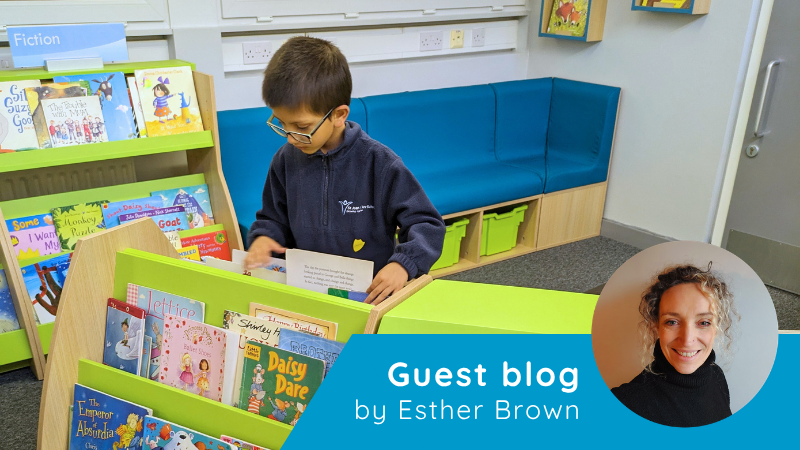
Guest blog
Five simple ways teachers can build a reading culture in the National Year of Reading and beyond.
Does the National Year of Reading motto ‘Go All In’ feel a little overwhelming when you’re already juggling lessons, leadership and students?
What if I told you that small, simple actions have a huge impact?
Just to make it clear, I don’t have beef with the National Year of Reading! Anything that centres reading, places it in the spotlight, provides national funding and starts conversations to help reverse the decline in reading enjoyment can only be a good thing.
But, building a reading culture takes time and conscious steps, and possibly the ‘Go All In’ message implies that if we just throw everything at reading for a year, all our problems will be solved.
Although less catchy, I’m suggesting that instead schools adopt the motto, ‘small steps for sustainable change,’ using the amazing opportunities of 2026 (I’m here for all the free virtual author visits, free CPD, the excitement and the passion) to harness enthusiasm and build the foundations for a real and meaningful reading culture across the school community: one that listens to, values and nurtures all children to become readers.
Here’s five achievable ideas that don’t require lots of extra time or resources, but make a meaningful difference when building a reading culture.
1. Choice and voice
Pupil voice is the most powerful tool you have in creating a reading culture. ‘Books offer windows, mirrors and sliding glass doors’ (Rudine Sims Bishop 2009) and if pupils do not see themselves, their lives, cultural heritage and their interests represented in the reading material on offer, they will be immediately put off.
One simple idea that gives an insight into pupil’s reading preferences is getting children to design or describe their ideal read (Note, I don’t say book, to give opportunity for other forms of reading.) You can use this knowledge to update book stock to make intentional, popular purchases that will be read and shared and show children their reading is valued and important.
Giving pupils a say in curating their class reading areas and listening to the ways they like to read is another valuable and important step to creating a reading culture. Frequently revisiting these conversations too helps identify common trends and adapt to their changing needs.

2. Prioritise story time and make Book Talk standard
A reading culture is built on small, consistent everyday moments. You might not realise it, but this is where the magic happens and the progress is made.
Prioritising story time over finishing that topic lesson, chatting to a child about their new book, sharing a poem a day, recommending a read, talking about your own reading. That is the groundwork that creates readers and shows the value you place on reading.

3. Get EVERYONE on board
The research shows that having teachers and TA’s who are experts in children’s books are better equipped to build communities of readers in their classrooms through making tailored recommendations. This expertise undoubtedly helps children ‘go all in’ and read more deeply into their personal interests (Cremin et al 2014). Two minute staff meeting recommendations, a box of books in the staffroom linked to assemblies and current topics can all help here.
But why just involve those working in the classroom? Let’s get all staff and the wider community involved: the office staff sharing their reads on the office door, asking children what they’re reading when they take a message, or having a box of books visible and available for parents to borrow. What about Midday Supervisors reading in the lunch hall? We have implemented a very simple system of a lunchtime requests box in the library that children can pop books into to be read that week. Can you get governors and parents in as a mystery reader or have a book swap box on the playground to make it really easy and accessible for them to read a bedtime story?
4. Make reading visible
Books in the staffroom for browsing, books in classrooms, books to take outside at breaktimes, books for parents and families to borrow, books on displays, books shared in assembly, books on teacher’s desks and in the Headteacher’s office (and front facing where possible to create temptation).
5. Curate a simple corridor display in collaboration with pupils
Photocopy the covers of each child’s favourite book and create a huge display. This generates a LOT of incidental book talk as children walk past or line up near it. Get staff to share their ‘mystery shelves’ too as this can create a real buzz as children try to guess who they belong to.

I would urge you to consider how you can take these small, sustainable steps to inspire reading for pleasure in your school; being intentional about keeping reading visible and valued in the National Year of Reading and beyond. Small, thoughtful actions in schools really do add up to create the readers who are ‘all in’ for the future.

About Esther
Esther Brown has taught across the primary age range and in different primary school settings for almost 20 years and has spent much of that time leading English.
She has always had a passion for books and believes in the power of reading for pleasure for investing in children’s futures.
Alongside her teaching role, she creates educational resources for publishers and shares her love for books on her Instagram blog @mrsbrownsbookbox.
Back to blog page.