
Blog
Helping children discover the joy of reading through school book clubs

Helping children discover the joy of reading through school book clubs
A school book club is a powerful way to support reading for pleasure. It gives pupils time to explore books without the pressure of completing a task, getting an answer right or being assessed.
Instead, children can talk, make recommendations to their peers, discover something fresh to read and enjoy books in a relaxed environment.
Book clubs can also help create a stronger reading culture across the whole school, turning reading from an individual activity into a shared experience.
In this blog, we explore some of the key benefits of running a school book club and how it can help children develop positive, lasting relationships with books. We also share the experiences of two primary schools – Killermont Primary School in Glasgow and Bentley Heath C of E Primary School in Solihull which have created their own book clubs, taking different approaches to encourage children to read, share and enjoy books together.
Why are school book clubs so valuable?
One of the biggest strengths of a school book club is that it creates a different relationship with reading.
In lessons, children understandably encounter books as part of learning. A book club can offer something different: a relaxed environment where reading is primarily about enjoyment and discovery.
Children can talk about characters they love, recommend books to friends, discover new authors and even say when they didn’t enjoy something. This helps children understand that their own reading preferences matter.
Book clubs can also provide opportunities for pupils to:
- Discover books and genres they might not otherwise choose
- Develop confidence talking about books
- Listen to different opinions and recommendations
- Share their interests with other children
- Build positive associations with reading
- Develop a sense of belonging to a community of readers
For children who haven’t yet discovered a love of books, that social element can be particularly valuable.
Seeing a friend enthusiastically recommend a story can be far more persuasive than being told which book they should read.


Give children choice and voice
Choice is an important part of encouraging reading for pleasure.
Rather than always deciding what pupils should read, book clubs provide an opportunity to ask them what they want to read.
What authors do they enjoy? Which subjects interest them? Is there a book everyone seems to be talking about? What would they like to try next?
Simple ideas such as suggestion boxes, reading wish lists, recommendation cards and pupil votes can help children play an active role in shaping their club.
The aim isn’t necessarily for every child to read the same thing. Allowing pupils to follow their individual interests can encourage ownership and make the experience more inclusive.
This approach is at the heart of the book club at Killermont Primary School in Glasgow.
Killermont Primary School: putting pupil voice at the heart of reading
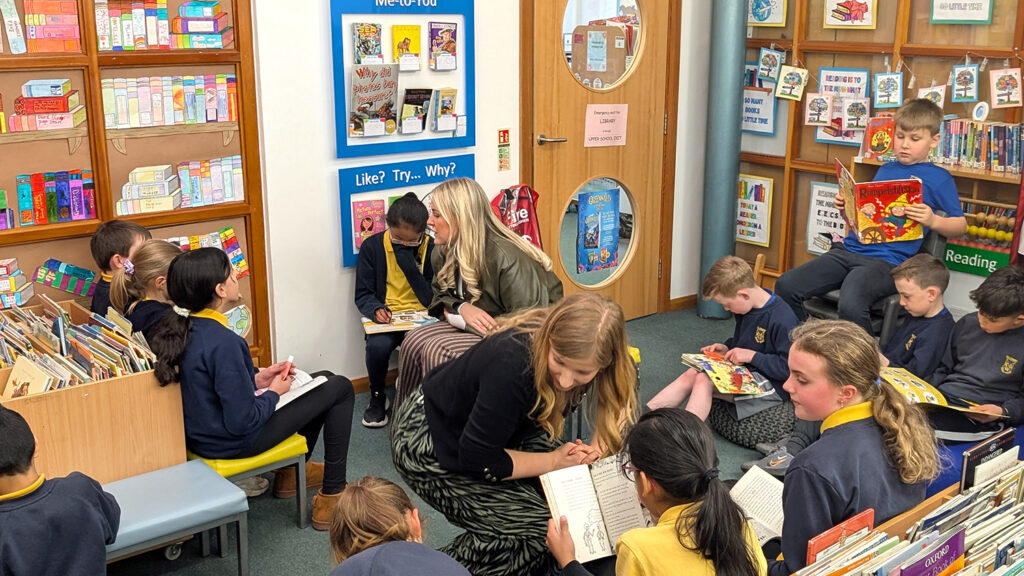
At Killermont Primary School, teacher Laura Lott set up a book club with her P5 class to celebrate and promote reading for pleasure, encourage discussion and give pupils confidence in expressing their opinions about books.
Importantly, children are encouraged to understand that it’s okay not to like a book and that all reading tastes are valid.
Rather than requiring every pupil to read the same title, children can choose their own books. This supports different reading levels and interests while naturally encouraging book swaps and recommendations between friends.
Pupil voice helps shape the club too, with children sharing their interests, suggestions and reviews.
The result is a reading community that extends beyond the sessions themselves. Laura says “Children are now bringing in books to share and recommending titles to their friends.”
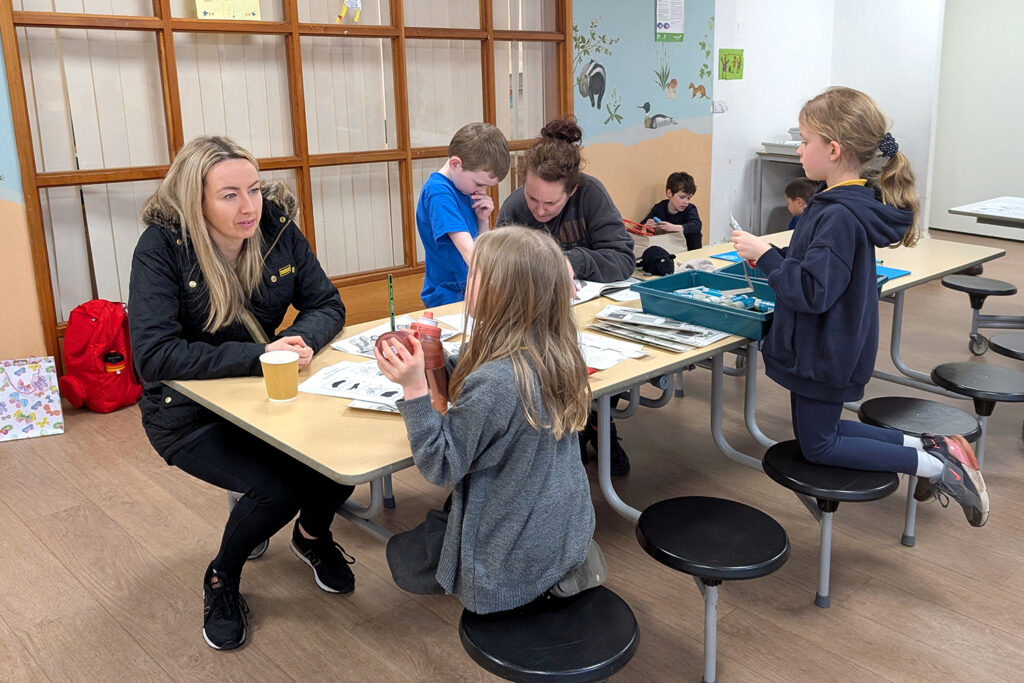
Killermont has also introduced an after-school Family Book Club. Families begin with a shared book before taking part in creative activities including art, storytelling and crafts. It provides another opportunity to associate books with enjoyable experiences and extends the school’s reading culture into the wider family community.





Reading can be social
We often picture reading as a quiet, solitary activity. But talking about books is a crucial part of developing a positive reading culture.
A book club creates opportunities for children to share reactions, disagree with one another and become excited about what they might read next.
Activities don’t need to be complicated. Children might design an alternative book cover, act out a favourite scene, create a reading graffiti wall, complete a book-themed quiz or simply sit together and talk.
Keeping activities varied can make book clubs particularly welcoming for pupils who might not immediately describe themselves as keen readers.
The school library can be an ideal location, giving children access to plenty of choice alongside comfortable library seating, accessible shelving, bookcases and engaging book display areas.
But a book club doesn’t have to take place in a library at all.
Bentley Heath C of E Primary School: creating an outdoor book club
Bentley Heath C of E Primary School in Solihull has taken a wonderfully different approach.
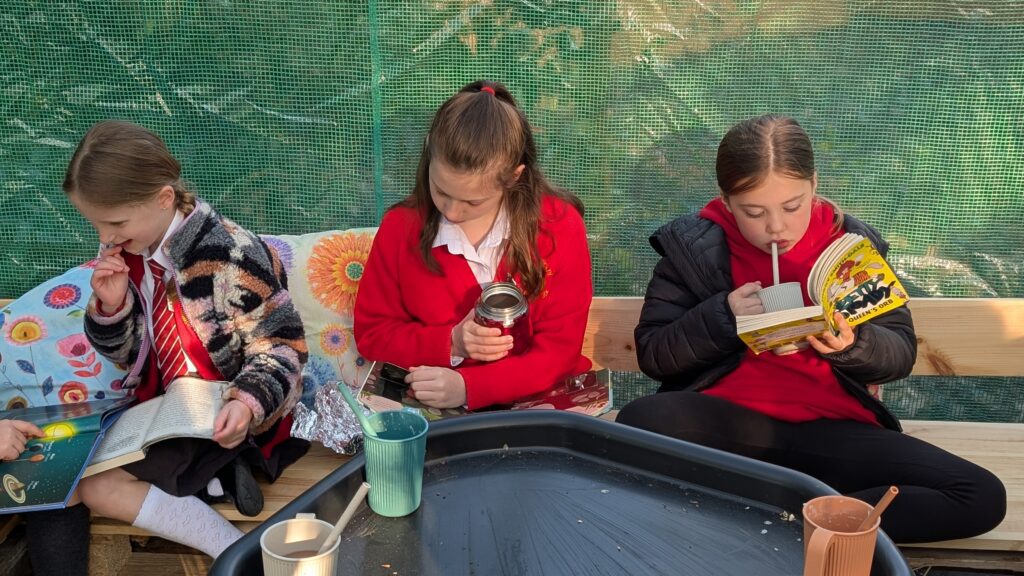
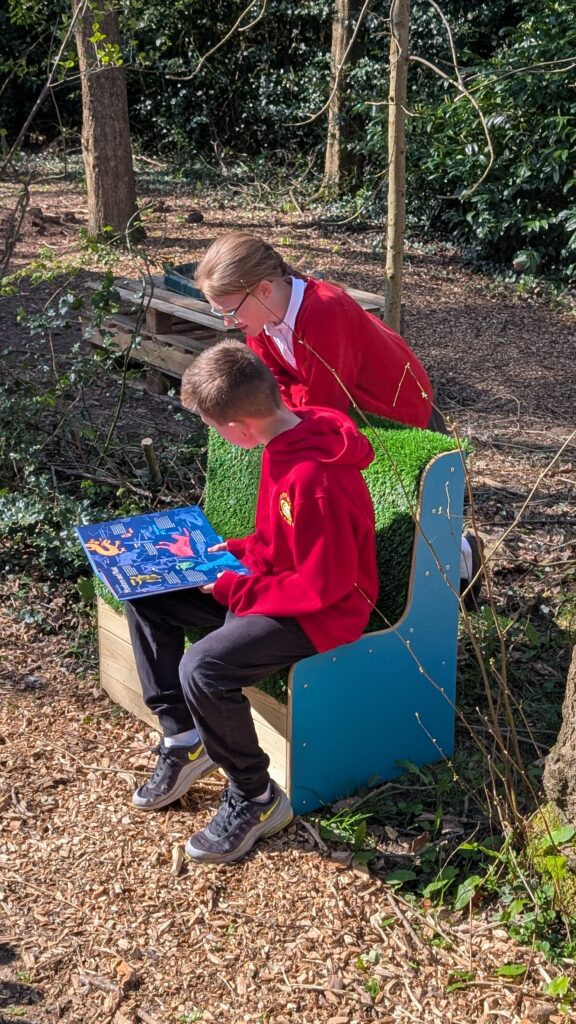
Its early-morning book club takes place in the school’s conservation area, where children gather before lessons to enjoy books together. With low-level seating, cushions and hot chocolate, the emphasis is on creating a calm and positive start to the day.
The club was established following a decline in pupils’ engagement with reading after the COVID-19 lockdowns and has developed into a weekly session focused on reading for pleasure and peer interaction.
Children begin by chatting about the books they’re returning before choosing something to read in pairs. Towards the end of the session, they discuss what they liked and disliked, whether they would recommend the book, and choose something from the Book Swap box to take home.
The school has also found creative solutions to challenges around space, funding and staffing, from using its conservation area to organising book donations and introducing buddy reading.
As one volunteer puts it, “Don’t give up and think outside the box when finding the right space – use whatever you have available!”
It’s a great reminder that creating a reading culture isn’t dependent on having the perfect space or a huge budget.




Building a community of readers
There is no single formula for a successful school book club.
Killermont Primary School demonstrates what can happen when pupil voice, choice and conversation are placed at the centre. Bentley Heath C of E Primary School shows that reading communities can flourish in unexpected spaces when schools are willing to be creative.
Both demonstrate something important: reading for pleasure grows when children are given opportunities to experience books positively.
Our advice – start small. Ask children what they want to read. Let them recommend books to one another. Make room for conversation, creativity and choice. Most importantly, make your book club somewhere children WANT to be.
If you’re thinking about starting one in your school, our free book club resource includes lots of practical guidance, activities, templates, recommended reads and the full Killermont Primary School and Bentley Heath case studies.
Download your free book club resource here“Sometimes helping a child discover the joy of reading starts with something very simple: a good book, a welcoming space and someone else to share it with.”
Christopher White, Director of BookSpace
Back to blog page.